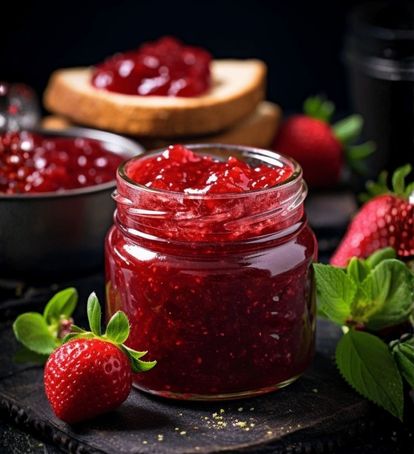
What buyers should look for on a fruit-spread label
Brix, fruit content, and acid balance all influence shelf life and eating quality. Here is a practical checklist for procurement teams.
Discuss this topic
Brix, fruit content, and acid balance all influence shelf life and eating quality. Here is a practical checklist for procurement teams.
Discuss this topic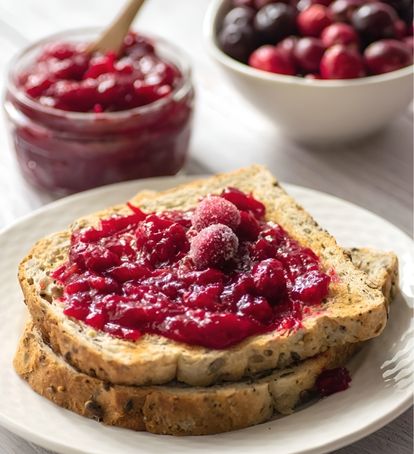
Pectin levels and natural acidity create a unique set curve. We share how we protect bright color while hitting the texture spec.
Discuss this topic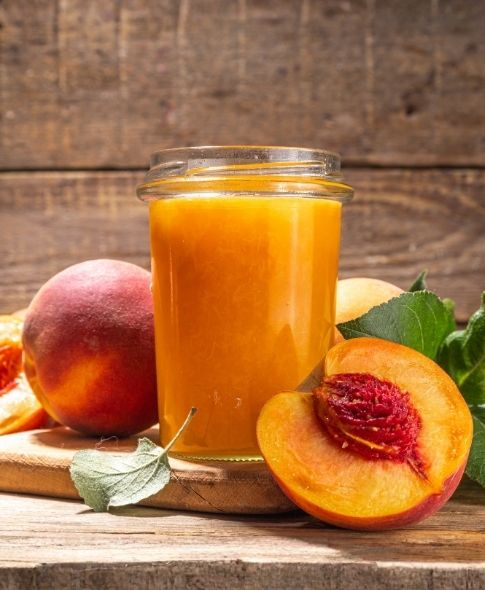
Stretch wrap tension, corner boards, and jar neck support—small details that prevent breakage and retailer claims.
Discuss this topic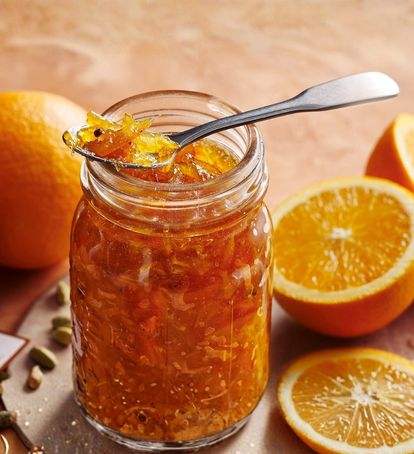
Peel thickness, blanching steps, and sugar curve adjustments let us tune citrus character for different regions.
Discuss this topicFruit spreads sit at the intersection of indulgence and everyday pantry staples. That means labels face scrutiny from parents, diet-conscious shoppers, and category managers alike. Start with the declaration order—fruit should lead, not filler water or ambiguous “fruit preparation” language if you are positioning as premium.
Next, review added acids and preservatives: they can be essential for safety, but levels should align with the target market’s additive regulations. Pair that review with a quick sensory audit—spreadability at refrigerator temperature, shine, and visible fruit particle size should match the photography on the sleeve.
Finally, align case dimensions with your slotting plan. A beautiful jar that does not fit the standard shelf depth becomes a one-off promotion instead of a core SKU. Our team routinely shares CAD drawings and pallet photos so your logistics planners can model inbound handling before the first production run.
Cranberries bring a distinctive pectin and acid fingerprint. We monitor pH through the cook so the set develops without dulling the signature tart edge, and we adjust sugar curves harvest by harvest when Brix swings between lots.
Jar necks are the weak point under harmonic vibration. We interleave tier sheets, torque-test caps after cooling, and photograph loaded pallets so receivers can compare against departure condition if a claim arises.
Peel thickness drives perceived bitterness more than sugar alone. Gentle blanching, controlled shred width, and a staged sugar addition let us tune citrus character for markets that prefer either a bold peel bite or a softer, breakfast-spread profile.